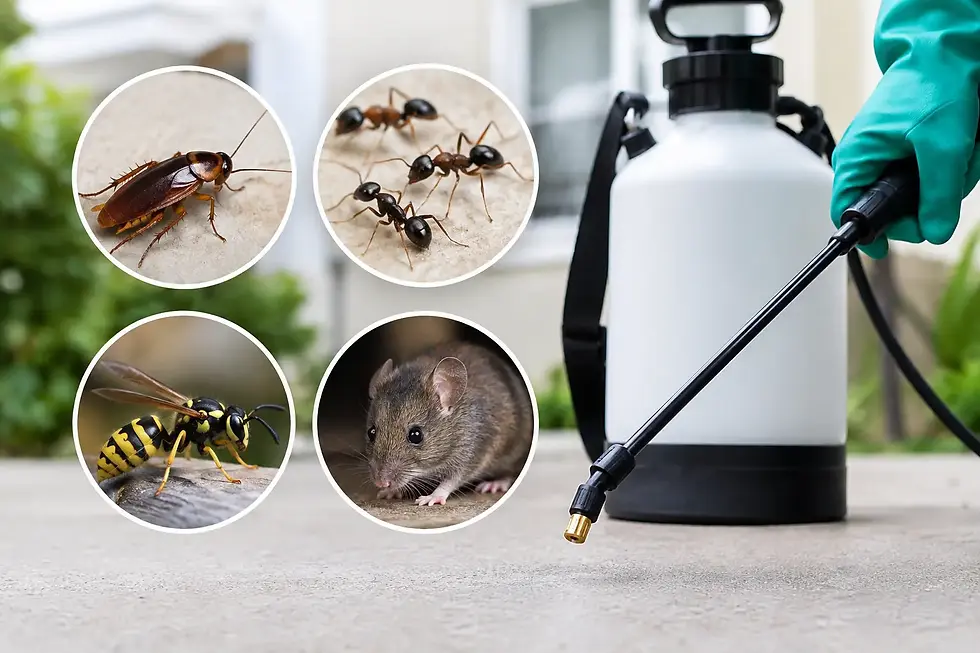
What a Quarterly Pest Control Review Should Cover
A few ants near the sink, a spider in the garage, or droppings behind a water heater can seem minor on their own. In Arkansas, those small signs can change quickly with the weather. A quarterly pest control review gives your home or business a regular checkup so problems are found and addressed before they turn into a larger infestation, property damage, or an uncomfortable surprise for your family, tenants, employees, or customers.
Quarterly service is not about spraying on a schedule just for the sake of it. It is about watching how pest pressure changes around your property and adjusting prevention and treatment to match what is happening there.
Why Pest Problems Change From Season to Season
Central Arkansas pests do not stay active in the same way all year. Spring rain can push ants, termites, and other insects into new areas. Summer heat increases mosquito, spider, cockroach, and stinging-insect activity. When temperatures cool, rodents and other pests look for warm, protected places indoors. Even winter has its risks, because pests already inside walls, attics, crawl spaces, and storage areas may remain active out of sight.
That is why a one-time treatment may solve an immediate issue but not always provide lasting protection. A property that was quiet in January can have a completely different set of concerns by July. Regular reviews allow a technician to compare conditions from visit to visit, spot trends, and make practical recommendations before pests gain a foothold.
For commercial properties, this consistency also matters for day-to-day operations. Restaurants, offices, warehouses, rental homes, and retail spaces all need a clean, dependable environment. Waiting until employees or customers notice a problem can be more disruptive and more expensive than staying ahead of it.
What Happens During a Quarterly Pest Control Review
A useful review starts with a conversation. Your technician should ask what you have seen since the last visit, where you have noticed activity, and whether conditions around the property have changed. A new pet, recent landscaping work, a plumbing leak, a renovation, or vacant space in a building can all affect pest activity.
The inspection then focuses on the areas pests use to enter, feed, hide, and breed. That can include the foundation, doors and windows, utility penetrations, garages, porches, crawl spaces, attics, kitchens, bathrooms, storage rooms, dumpsters, and exterior landscaping. The exact areas depend on the property and the pests common to that location.
A technician may look for fresh droppings, mud tubes, insect trails, nests, damaged materials, moisture, gaps around pipes, standing water, or signs of food access. Not every review will uncover a serious issue. In fact, a quiet inspection is often a sign that prevention is working. The value is in verifying that conditions remain controlled and identifying weak points before they become active problems.
Areas Homeowners Should Pay Attention To
You do not have to know the name of every insect to provide helpful information. Noticing patterns is enough. Tell your pest professional if you see activity around the same room, wall, cabinet, or exterior area repeatedly.
Inside the home, kitchens, bathrooms, laundry rooms, and utility closets deserve extra attention because pests are drawn to moisture and easy food sources. Cockroaches and ants can use small crumbs, pet food, grease residue, and leaks. Rodents can move through wall voids and may show up first as sounds at night, shredded nesting material, or droppings in low-traffic areas.
Outside, look around the foundation, deck, fence line, outdoor trash containers, firewood stacks, and landscaping that touches the structure. Overgrown vegetation can create protected pathways for insects and spiders. Standing water in containers, clogged gutters, low spots in the yard, or equipment covers can contribute to mosquito activity.
Termite protection deserves its own attention. Termites are often difficult to notice without a professional inspection, especially when they are working behind walls or beneath the structure. Mud tubes, damaged wood, or swarming insects are reasons to call promptly, but waiting for visible signs is not the best plan. Ongoing termite monitoring and inspections help protect one of the biggest investments most property owners have.
Common Findings and What They Mean
A quarterly visit may identify a problem that needs treatment, but it can also reveal conditions that make future activity more likely. Moisture is one of the biggest examples. A slow leak under a sink, poor drainage near the foundation, or damp material in a crawl space can attract pests and make treatment less effective if the underlying condition is left in place.
Entry points are another common finding. A small gap beneath a garage door or around a utility line may be enough for rodents, ants, spiders, and other pests to get inside. Sealing exclusions is not always a replacement for treatment, but it is often a key part of preventing repeat activity.
Sometimes the answer is a targeted treatment instead of a broad application. If ants are trailing near one exterior wall, or wasps are building around a specific eave, the best approach may be focused service at the source. The right plan depends on the pest, the level of activity, the layout of the property, and who uses the space. Homes with children and pets, food-handling businesses, and facilities with sensitive occupants may need particular attention to timing and treatment choices.
Between Visits, Small Habits Make a Difference
Professional service works best when the property supports it. You do not need to turn pest prevention into a full-time job, but a few routine habits reduce the food, water, and shelter pests need.
Keep food sealed and clean up spills promptly, especially in kitchens, break rooms, and pet-feeding areas. Take trash out regularly and keep exterior containers closed. Repair leaks when possible, and avoid letting cardboard, clutter, or stored items collect directly against exterior walls. Trim plants back from the home or building, and keep firewood or lumber off the ground and away from the structure.
If you manage rentals or commercial space, encourage occupants and staff to report pest activity early. A quick report about ants in a break room or rodents near a loading area gives you more options than waiting until activity spreads. Pest control is most effective when everyone treats early signs as useful information rather than something to ignore.
When to Call Before Your Next Scheduled Visit
Quarterly service is designed for prevention, but you should not wait for the next appointment when activity is clearly increasing. Call for help if you notice termite swarmers or mud tubes, rodent droppings, bed bug signs, repeated cockroach sightings, a growing wasp or hornet nest, or bites that may be connected to fleas, ticks, or bed bugs.
A sudden change in activity can point to a new entry point, a moisture issue, or a nearby nest or harborage area. Fast action helps keep treatment more focused and reduces the chance of pests moving through the rest of the property.
Bug Pro LLC provides recurring pest control designed around the real conditions Arkansas property owners face, with professional inspection, targeted treatment, prevention guidance, and re-treatment support when needed.
Making Quarterly Protection Work for Your Property
The best schedule is the one that fits your risk level. A well-maintained home with little activity may need straightforward recurring prevention. A property near wooded areas, water, open fields, heavy landscaping, or active construction may see greater seasonal pressure. Businesses with food, frequent deliveries, shared walls, or high customer traffic may also need closer attention.
Be open with your technician about what has changed since the previous service. Mention new construction, drainage concerns, pest sightings, remodeling work, or nearby vacant properties. Those details help shape a plan based on your property rather than a generic checklist.
A quarterly pest control review gives you something better than temporary relief: a clear picture of what is happening around your property and a dependable plan for addressing it. When small signs are handled early, your home or business is easier to protect, more comfortable to use, and less likely to face a pest problem at the worst possible time.