Home Pest Prevention Guide for Arkansas Homes
- 3 days ago
- 5 min read
A few ants near the kitchen sink can turn into a trail by tomorrow. A soft spot around a window, mud tubes near the foundation, or scratching in the attic can point to a bigger issue. This home pest prevention guide focuses on the practical habits that make your property less attractive to pests before a small problem becomes an expensive one.
In Central Arkansas, pest prevention is not a one-season chore. Warm, humid weather, heavy rain, wooded lots, crawl spaces, and everyday household activity create opportunities for pests throughout the year. The goal is not to make a home perfectly sterile. It is to remove the food, water, shelter, and entry points that pests rely on.
Home Pest Prevention Guide: Start Outside
Most pest problems begin at the edge of the property, not in the middle of the living room. Walk around your home every month or two, especially after storms, and look at it the way an insect or rodent would. They are looking for moisture, cover, access, and something to eat.
Keep leaves, pine straw, grass clippings, stacked firewood, and stored materials away from the foundation. Those areas hold moisture and provide cover for ants, spiders, cockroaches, and termites. Firewood should be raised off the ground and stored well away from the house when possible. Bringing a stack directly against the exterior wall is convenient, but it also gives pests a protected path toward the structure.
Trim shrubs and tree limbs so they do not rest against siding, eaves, or the roofline. Overgrown vegetation holds dampness and can become a bridge for ants, spiders, and rodents. Pay attention to ground cover and mulch, too. A thin, well-managed mulch bed can look great, but deep mulch pressed against the foundation can retain moisture where termites and other pests thrive.
Water management deserves the same attention as landscaping. Clean gutters, direct downspouts away from the foundation, and correct spots where water pools near the home. In Arkansas, a damp crawl space or wet soil around the foundation is more than a maintenance annoyance. It can raise the risk of termite activity and make the property more inviting to pests that need moisture.
Close the Openings Pests Use
Pests rarely need a wide-open door. Mice can fit through openings around the size of a dime, while insects can use gaps that are much smaller. Check around utility lines, pipes, dryer vents, cable entries, garage doors, windows, and exterior doors. Repair worn weatherstripping, replace damaged screens, and seal gaps around penetrations with suitable exterior materials.
Do not overlook the garage. It is often the most forgiving entry point on the property: doors may not seal tightly, pet food may be stored there, and cardboard boxes can provide hiding places. Replace the bottom door seal if daylight shows underneath the garage door. Store boxes on shelves rather than directly on the floor, and reduce clutter that makes inspections difficult.
Attic and crawl-space vents need a careful balance. They must allow proper airflow, but they also need intact screening to help keep out birds, squirrels, rodents, and larger insects. If a vent cover is damaged or a crawl-space access door will not close securely, address it promptly. A one-time repair can prevent repeated pest entry.
A note about active rodents
If you already hear scratching, find droppings, or see chewed wiring or insulation, sealing every opening immediately can sometimes trap an animal inside. The right sequence depends on where the activity is occurring and how the animal is entering. An inspection can identify the access points and help determine whether removal and exclusion should happen together.
Take Away Food and Water Indoors
A clean home does not guarantee a pest-free home, but easy access to food and water can turn occasional visitors into a recurring problem. Wipe counters after cooking, sweep up crumbs, rinse recyclables, and do not leave pet food out overnight when possible. Use containers with secure lids for pantry items, pet food, birdseed, and snacks.
Kitchen appliances deserve a closer look than most homeowners give them. Crumbs and grease can collect under stoves, behind refrigerators, and around the dishwasher. Cockroaches and ants are especially good at finding these neglected areas. A quick cleaning behind appliances a few times each year can make a real difference.
Check for slow plumbing leaks below sinks, behind toilets, and around washing machines. Even a small drip gives cockroaches, ants, and silverfish a dependable water source. Bathrooms, laundry rooms, and utility areas should be kept as dry as practical. Run exhaust fans during showers and repair caulk or grout where water is getting behind walls or under flooring.
Trash should be removed regularly, and indoor bins should have lids that close. Outside, keep garbage containers shut and clean up spills around them. This is particularly helpful for discouraging flies, wasps, ants, and raccoons from gathering near the home.
Protect Your Home From Termites
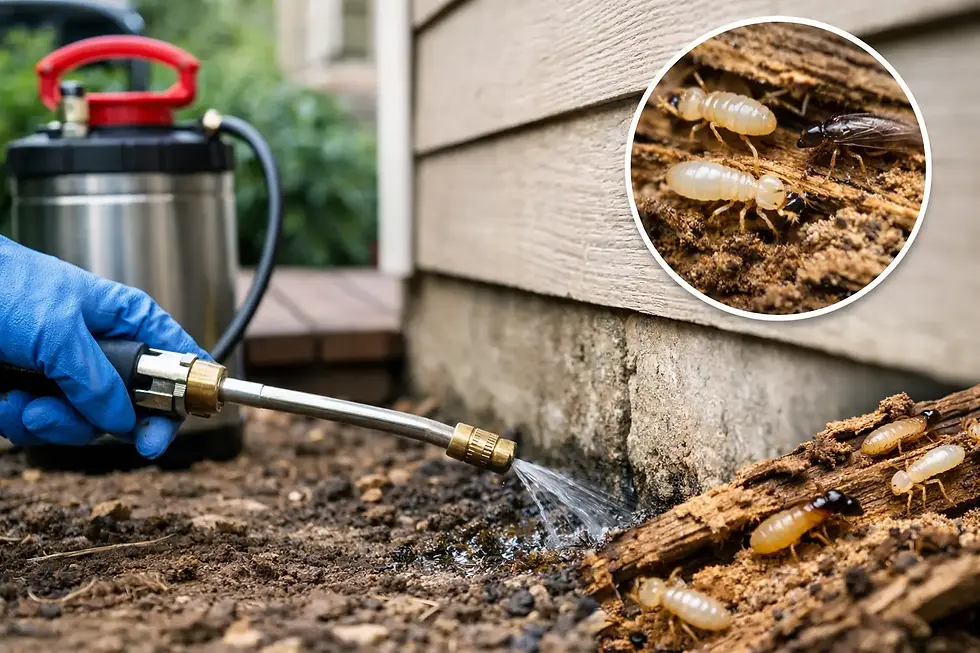
Termites work quietly. By the time damage is visible, they may have been feeding inside wood for months or longer. Prevention is largely about limiting moisture and wood-to-soil contact, then making sure a trained professional has a chance to spot activity early.
Do not let soil, mulch, or landscaping materials cover the lower edge of siding or hide the foundation. Keep an eye out for pencil-sized mud tubes on foundation walls, support piers, or plumbing penetrations. Also watch for blistered paint, buckling trim, hollow-sounding wood, doors that suddenly stick, or piles of discarded wings near windows and doors.
Not every sign means termites, and not every termite problem is visible from outside. That is why regular professional termite inspections matter, particularly for homes with crawl spaces, older structures, moisture concerns, or wooded surroundings. A termite program is designed to protect the structure over time, not simply respond after damage is found.
Reduce Mosquito, Tick, and Flea Pressure
Mosquitoes can breed in surprisingly small amounts of standing water. Once a week during warm weather, empty water from planters, toys, buckets, tarps, wheelbarrows, and other outdoor items. Keep gutters flowing and change water in pet bowls and birdbaths regularly. If you have a pond or drainage issue, the best solution may be different than it would be for a small suburban yard, so address the source rather than relying on sprays alone.
Ticks and fleas are often brought closer to the home by pets and wildlife. Keep grass cut, reduce brushy edges around play areas, and ask your veterinarian about appropriate pet protection. Wash pet bedding routinely and vacuum areas where pets sleep. If fleas are active indoors, treating only the pet or only the room usually does not solve the full problem.
Know When Prevention Needs Professional Help
Good prevention lowers pressure, but it cannot always overcome a well-established infestation, a hidden moisture issue, or pest activity inside walls, insulation, or a crawl space. Repeated sightings are a sign to act. So are stinging insects entering wall voids, cockroaches appearing during the day, rodent droppings, bed bug concerns, termite signs, or scorpions and spiders showing up regularly indoors.
Avoid relying on random store-bought products as the only plan. Some can provide short-term relief, but they may miss the nesting site, fail to reach the active area, or scatter pests into new locations. The better approach is to identify the pest, locate the conditions supporting it, treat the appropriate areas, and follow up when needed.
Bug Pro LLC helps homeowners and businesses across Central Arkansas with inspections, treatment, and ongoing prevention for the pests that put comfort and property at risk. A local technician can look beyond the pest you see and check the entry points, moisture conditions, and harborage areas that keep the problem going.
Start with one walk around your property this week. Clear the debris, check for water, look for gaps, and make note of anything that does not seem right. Those small observations often provide the earliest warning and the best chance to keep pests outside where they belong.